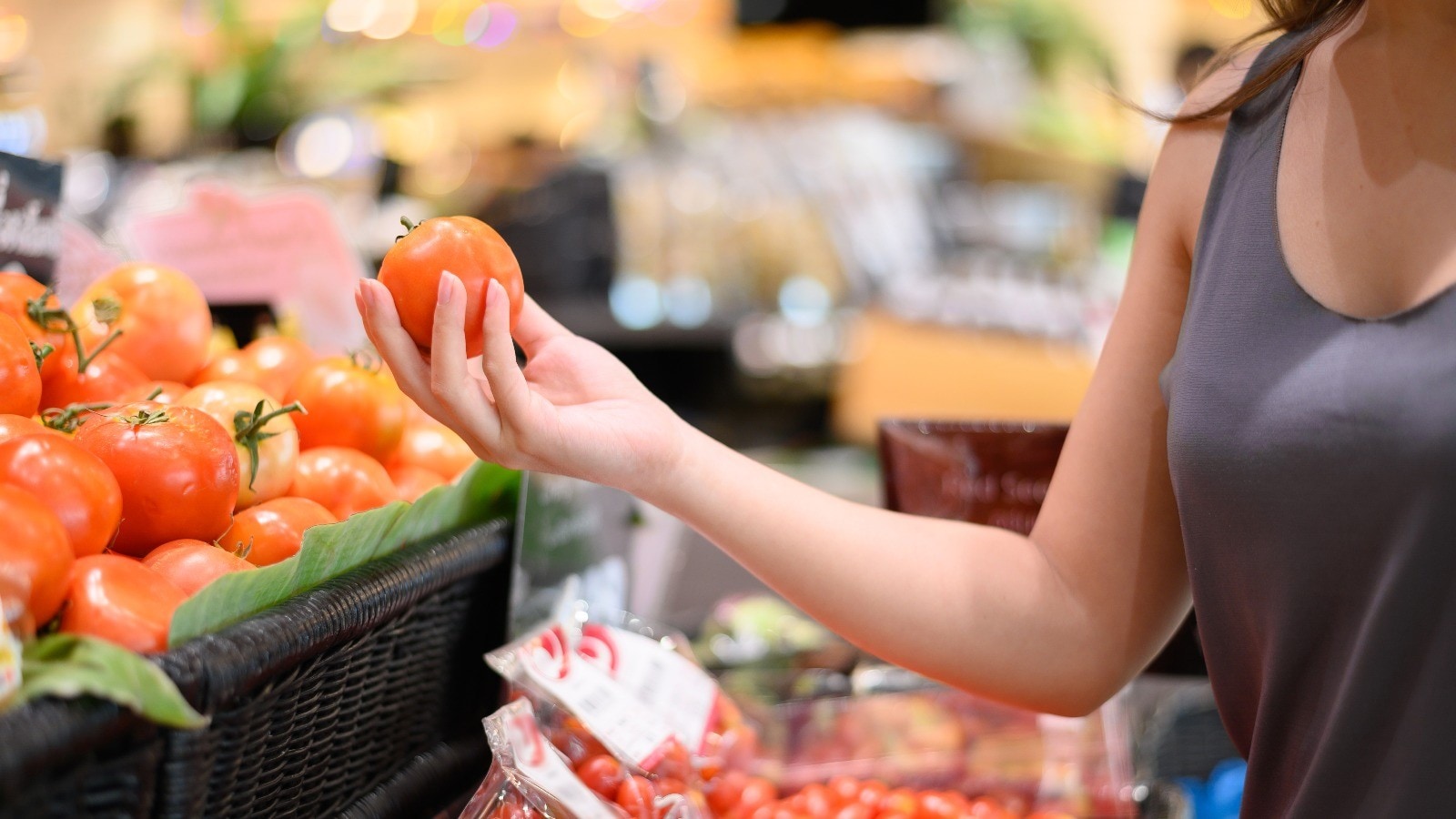
In times of rising inflation, geopolitical uncertainty, and rapid social change, Polish consumers are becoming increasingly conscious, demanding, and selective. The PwC report “Taste, Price, Awareness: A Map of Polish Consumer Choices” is a comprehensive analysis of consumer trends in Poland, based on a survey conducted among 20,000 respondents from 29 countries, including 459 individuals from Poland.

Mieczysław Gonta,
Partner, PwC Poland

Maciej Kroenke,
Partner, Strategy& in Poland

Robert Żygowski,
Senior Manager, Strategy& in Poland
“This year’s edition of the report is particularly significant. Inflation and geopolitical tensions are influencing purchasing decisions, placing financial considerations at the forefront. Nevertheless, consumers are becoming more demanding and seek quality that aligns with their values.
Sustainability is another key aspect. Although climate concerns have diminished and only one-third of consumers are willing to pay extra for “eco” products, awareness of pesticide use and local food sourcing is growing. This presents an opportunity for producers to implement effective, environmentally friendly initiatives.
Health and convenience are also gaining importance, especially among younger and professionally active consumers. Preferences for fresh, seasonal products indicate a shift in dietary habits. As the survey results show, more than one-third of respondents plan to increase spending on healthy products.”
What is the Polish consumer like in 2025?
Poles are pragmatic yet increasingly conscious consumers. While still highly price-sensitive, they are more often seeking products that combine good quality, health benefits, and convenience. They choose:
- fresh and seasonal products, even at the expense of well-known brands,
- local products, perceived as healthier and supportive of the economy,
- private labels, which now effectively compete with premium brands thanks to improved quality.
Download the report to learn more about how Sales and Operations Planning (S&OP) departments can protect your company from climate turbulence and become part of a sustainable future.
New values, new choices: price, taste, health, and quality
In 2025, Polish consumers are not only looking to save money - they are increasingly guided by values that matter to them. Price still dominates, but taste, health, and quality are becoming more important. Consumers are willing to switch brands if they receive better value - not just financial, but also emotional and functional.
Factors influencing brand switching

Question: “When choosing which food products to buy, which factors are most important to you?”
Ecology with reason
Although willingness to pay extra for eco-friendly products is declining, consumers are increasingly attentive to specific aspects of sustainability—such as the absence of pesticides, local origin, or ethical working conditions. This signals to producers that ESG efforts must be genuine, visible, and clearly communicated.
Sustainability is no longer a niche trend—it is becoming an expected standard. Consumers no longer want just “green labels,” but concrete actions: reducing carbon footprint, supply chain transparency, and real social impact. Companies that can prove this earn loyalty and trust.
The importance of sustainability factors

Question: “When buying food products, which of the following sustainable practices are most important to you?”
Rising expectations and new opportunities for producers
Poles expect more from producers than just good prices—they want genuine support for a healthy lifestyle. Trust in FMCG brands can be built through transparency, quality, and innovation—especially in the area of healthy, low-calorie products and clear communication of nutritional values.
Companies that invest in developing product portfolios that address health and social needs have the opportunity not only to increase sales but also to build strong, credible brands. Consumers expect producers to be partners in their everyday choices—not just suppliers.
Expectations toward producers

Question: “In your opinion, how can large food companies contribute to improving consumers’ health and well-being?”
Health, convenience, and technology
The lifestyle of Polish consumers is changing rapidly. More and more people report excellent health, reduce their intake of processed foods, and turn to supplements. A new trend is the growing openness to health-supporting technologies—half of consumers feel comfortable using GenAI to plan their meals.
Convenience is becoming just as important as health. Ready-made meals, diet planning apps, and personalized nutrition recommendations are no longer the future—they’re part of everyday life. Companies that successfully combine technology with genuine care for consumer well-being gain a competitive edge in the new shopping era.
Consumer lifestyle and health

Question: “To what extent do you make the following health-related choices in your diet?”
The “Taste, Price, Awareness: A Map of Polish Consumer Choices” report shows that Polish consumers are becoming increasingly conscious, demanding, and selective. Price continues to play a key role, but quality, health, local origin, and convenience are gaining importance. Not only are shopping preferences changing, but also expectations toward producers, sales channels, and brand communication. This signals to companies that strategy must consider not only economics, but also consumer values and lifestyle.
“Taste, Price, Awareness: A Map of Polish Consumer Choices” provides practical insights for FMCG market leaders, retailers, and producers who want to effectively respond to the needs of today’s customers. We encourage you to download the full report, which includes detailed data, analysis, and recommendations. For those interested in a broader regional context, a version of the report with results for Central and Eastern Europe.
Taste, Price, Awareness
A Map of Polish Consumer Choices
Skontaktuj się z nami