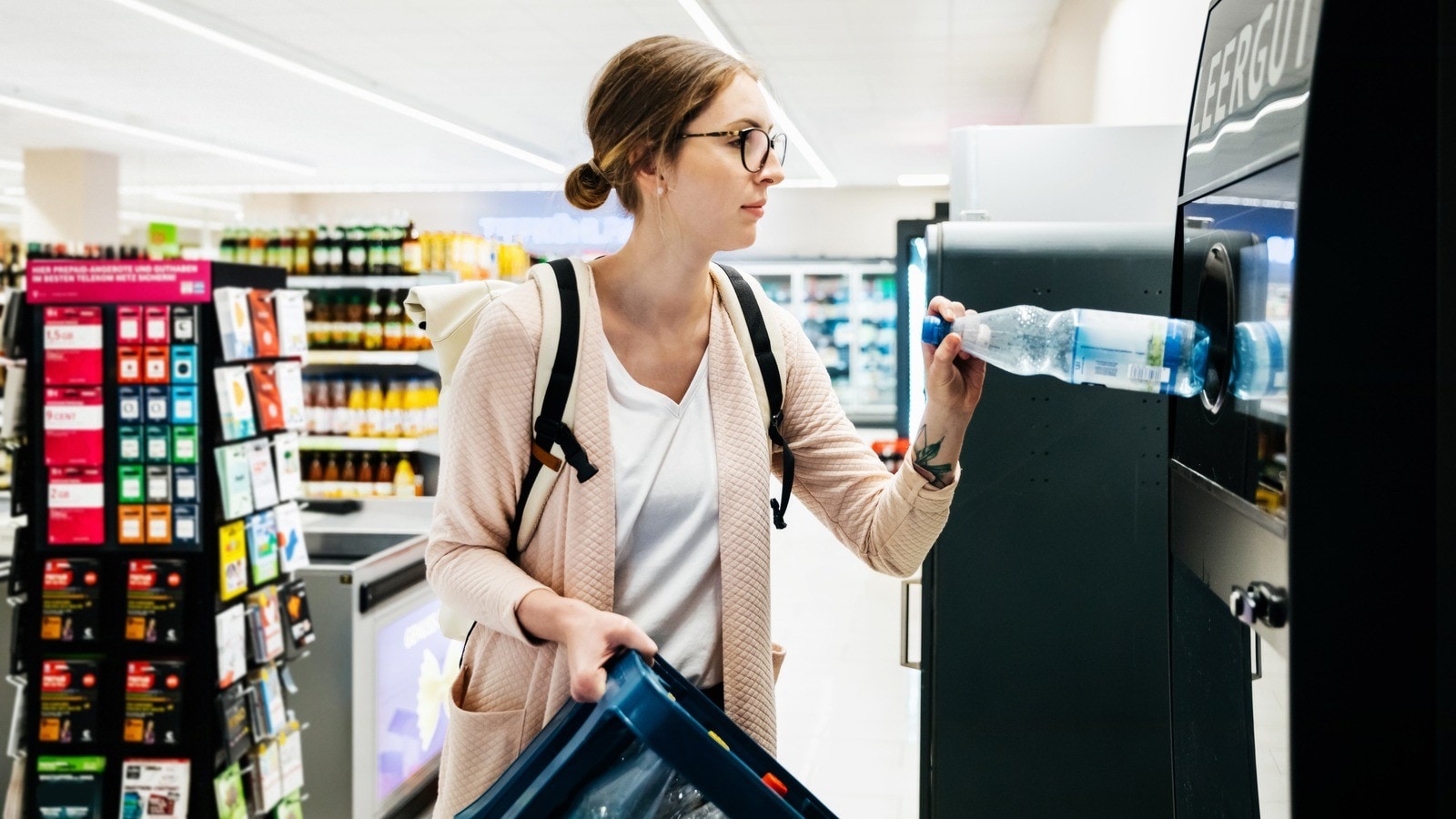
The latest PwC report shows where the consumer goods sector currently stands, which areas of transformation are accelerating and where companies are losing business potential.
Learn more. Download the report:
Sustainability in the strategy of retail companies
Sustainability is no longer just a response to regulatory requirements. For an increasing number of companies, it is becoming an element of long-term risk management, operational resilience and value creation.
At the same time, there is a gap between strategy and implementation. While many organizations declare ambitious sustainability goals, only a few effectively integrate them into business processes, investment decisions, and supply chain management.
In your company's opinion, are sustainability activities currently an driver or a barrier on innovation in enterprises?
Sustainability is still seen primarily as a reputational tool, not a lever of transformation. Translating the SDGs into real changes in business models remains a key challenge.
Mieczysław Gonta
PwC Partner, Retail & Consumer Goods Team Leader at PwC CEE

Tomasz Barańczyk
Partner and Leader of ESG Initiatives at PwC Poland
Key findings from the report
Companies' approach to sustainability is uneven depending on the area. Some activities show strategic maturity, while others still lack the translation of declarations into operational decisions, especially in the supply chain and in product innovation.

Goals in strategy: in production, 63% of companies already have clearly defined sustainability goals, and another 30% are working on them. In sales and distribution, 46% have goals, and another 46% are in the process of defining them.
Impulse to innovation vs implementation: Sustainability is cited as a driver of innovation by 67% of manufacturers and 54% of companies in sales and distribution, but only 30% and 35% have implemented new products or services, respectively.

Regulations as a driver of action: Regulations and initiatives related to sustainable development have a positive impact on development and strategy, according to 63% of manufacturing companies and 54% of sales and distribution companies. Regulation is cited as the most important motivator for sustainable innovation by 56% of manufacturers and 54% of sales companies.
Supply chain risk assessment: 33% of manufacturers and 27% of sales and distribution companies conduct a comprehensive assessment of sustainability risks.

Suppliers and purchasing decisions: 56% of manufacturers and 58% of sales and distribution companies evaluate the ESG profile of suppliers, but only 11% of manufacturers and 19% of sales companies take into account the results of these assessments in purchasing decisions.

Sustainability and measuring impact: Many companies lack consistent metrics, data, and tools to monitor the achievement of sustainability goals. Sustainability is present in the strategy, but less often functions as an element of ongoing performance management and decision-making at the operational level.
Does your company's business strategy include clearly defined sustainability goals?
Where companies lose their potential
The biggest challenge for companies in the consumer goods sector is not the lack of action, but its scope and coherence. In many organizations, sustainability initiatives are implemented point-by-point, without full connection to product strategy, purchasing decisions, and supply chain management.
Companies are mainly focusing on core activities such as recycling or using sustainable materials, less often reaching for changes in product design, business models or supplier relationships. As a result, the potential of sustainability as a source of innovation, operational resilience and competitive advantage remains largely untapped.
In which areas of its activity does your company implement the assumptions of the circular economy?
Sustainable development in Polish trade and consumer goods
Skontaktuj się z nami





Ewelina Łukasik-Morawska
CEE Sustainability Hub Senior Manager, PwC Polska
Tel: +48 519 507 908